 The moment you injure a muscle, tendon, ligament, or joint, your body gets to work. Inflammation brings blood flow, oxygen, nutrients, and specialized repair cells to the site of the damage. Those cells help clear out injured tissue and begin rebuilding the damaged structure.
Swelling and warmth aren’t pleasant, but they’re not necessarily the enemy either. Inflammation is a necessary part of healing, and the goal isn’t always to shut it down completely. It’s to encourage a healing response that’s balanced, not blocked.
Can Too Much Ice Slow Healing?
Ice still has a place, especially right after an injury, because it can take the edge off pain quickly. The concern is prolonged or excessive icing. Cold causes blood vessels to constrict, and less blood flow means fewer of the nutrients and repair cells your tissue needs during recovery.
Research continues to evolve, but current evidence suggests ice may be most useful as a short-term comfort measure rather than something that significantly speeds healing. So instead of relying on ice alone for days or weeks, we focus on restoring safe movement, improving circulation, promoting tissue repair, and gradually rebuilding strength and function.
A Better Approach: MiCE
At Green Chiropractic, we walk patients through a modified version of the classic method, one that works with the healing process while helping you safely return to normal activity.
M – Movement. Gentle, controlled movement helps circulation and keeps stiffness from setting in. Too much rest for too long can leave you weaker and slower to get back to activity. Movement should stay controlled and shouldn’t significantly increase your pain.
i – Ice. Ice can still be useful early on, particularly for pain and swelling, but in short doses. About 10 to 15 minutes at a time is generally preferred to repeatedly icing for days or weeks. The goal is to ease discomfort, not completely shut down the body’s natural healing response.
C – Compression. An elastic wrap, brace, or compression sleeve can help keep excessive swelling in check and provide stability during the early stages of recovery.
E – Elevation. Raising the injured area above heart level can help with fluid drainage and keep swelling from building up after an acute injury.
How Cold Laser Therapy Supports Injury Recovery
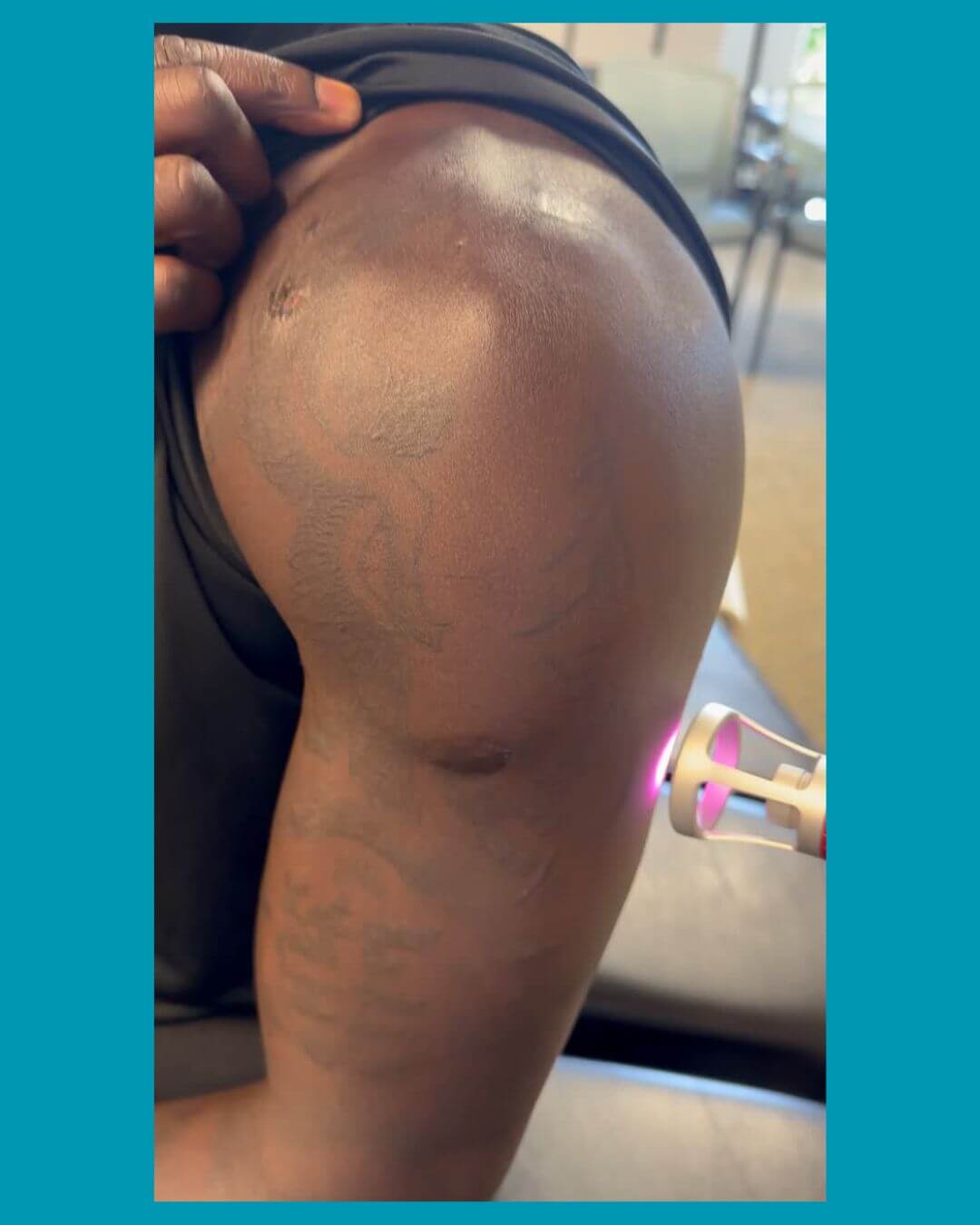
This is where cold laser therapy at Green Chiropractic can come in as another tool in the recovery plan. Class IV cold laser therapy uses specific wavelengths of light to stimulate activity inside injured cells, a process called photobiomodulation. This cellular response may help with energy production, circulation, inflammation management, discomfort, and soft tissue repair.
Unlike icing, which temporarily restricts blood flow, laser therapy is designed to work with the biological processes involved in healing. As part of a broader rehabilitation plan, it may also help patients return to normal activity more efficiently.
Cold laser therapy may be helpful for sprains and strains, tendon and muscle injuries, knee and shoulder pain, sports-related injuries, tennis elbow, plantar fasciitis, and general joint discomfort that hasn’t responded to rest alone.
The Goal Is Healing, Not Just Masking Pain
Pain relief matters, but it’s not the only thing. Recovery means addressing what actually got injured and helping your body restore normal function, which often takes more than one approach working together.
Depending on your needs, that might mean chiropractic care, corrective exercises, mobility and strengthening work, targeted soft tissue care, Class IV cold laser therapy, or a gradual return to sport and everyday activity.
If you’re dealing with a sports injury, a sprain or strain, or pain that just hasn’t let up, we’d like to take a look. Our Omaha chiropractors will figure out what’s really going on and build a personalized recovery plan around getting you back to doing what you love.